


A Practical Guide to Stage Design Basics for Bands and Events

When you organize a live music event or manage a band, the stage design plays a crucial role in the overall experience. A well-planned stage setup not only supports the performers but also enhances the audience’s enjoyment. Understanding the basics of stage design, including how to read a band rider and plan event staging dimensions, can save you time, reduce stress, and ensure a smooth show. This guide will walk you through key elements to consider when preparing a live music stage setup and concert stage layout.
Understanding the Band Rider
A band rider is a document that outlines the technical and hospitality requirements of a band or artist. Reading a band rider carefully is the first step to designing a stage that meets the performers’ needs. It typically includes:
Technical specifications: Number and type of microphones, instrument inputs, monitor mixes, and power requirements.
Stage plot: A diagram showing where each band member and their equipment should be placed.
Hospitality requests: Backstage needs such as food, drinks, and dressing room arrangements.
By reviewing the band rider, you can plan the concert stage layout to accommodate all equipment and personnel comfortably. Ignoring or misreading this document often leads to last-minute changes and delays.
Planning Event Staging Dimensions
Knowing the event staging dimensions is essential to fit all equipment and performers safely on stage. Measure the available stage area and compare it with the band rider’s stage plot. Consider these factors:
Space for instruments and gear: Drums, keyboards, amplifiers, and other equipment need enough room to avoid crowding.
Movement space: Performers should have enough space to move freely without tripping over cables or bumping into each other.
Safety clearances: Leave space for emergency exits and ensure cables are taped down or covered to prevent accidents.
If the stage is smaller than required, communicate with the band or event organizers early to adjust the setup or reduce equipment.
Designing the Concert Stage Layout
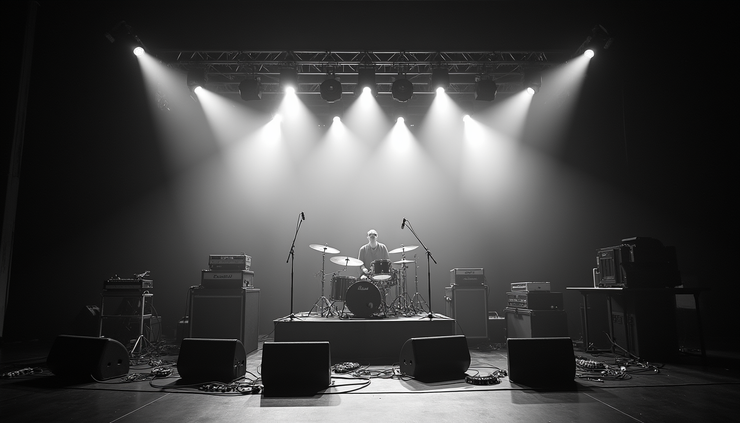
A good concert stage layout balances functionality and aesthetics. Here are some tips to create an effective live music stage setup:
Position the drummer at the back center: This allows other band members to be visible and interact with the audience.
Place vocalists and lead instruments at the front: This keeps the focus on the performers who engage most with the crowd.
Arrange monitors strategically: Each musician needs to hear themselves and others clearly. Use the band rider to set up monitor mixes.
Plan lighting and sound equipment placement: Avoid blocking sightlines with speakers or lighting stands. Use trusses or overhead rigs when possible.
Consider the venue’s shape and audience sightlines when finalizing the layout. A well-organized stage helps the band perform confidently and creates a memorable experience for attendees.

Coordinating with Technical Teams
Your stage design must align with the work of sound engineers, lighting technicians, and stagehands. Share the concert stage layout and band rider with these teams well before the event. This collaboration helps:
Set up sound and lighting equipment correctly: Avoid last-minute changes that can disrupt the show.
Plan cable runs and power distribution: Prevent overloads and tripping hazards.
Schedule load-in and soundcheck times: Ensure enough time for setup and adjustments.
Clear communication reduces errors and keeps the event running smoothly.
Adapting to Different Venues
Every venue has unique constraints and opportunities. When designing a live music stage setup, consider:
Indoor vs. outdoor stages: Outdoor stages may require weatherproofing and additional lighting.
Stage height and depth: Adjust the concert stage layout to fit the physical space.
Audience capacity and sightlines: Design the stage so everyone can see and hear the performance clearly.
Flexibility is key. Use the band rider and event staging dimensions as guides but be ready to adapt based on the venue’s specifics.

Final Tips for Successful Stage Design
Start early: Begin planning as soon as you receive the band rider and venue details.
Double-check measurements: Confirm event staging dimensions on-site before finalizing the layout.
Test equipment: Schedule soundchecks to identify and fix issues.
Keep safety in mind: Ensure cables are secure and exits are clear.
Stay flexible: Be ready to make quick adjustments during setup.
By following these steps, you create a stage environment that supports the band’s performance and delivers a great experience for the audience.
Designing a stage for live music requires attention to detail and clear communication. Reading a band rider carefully, planning event staging dimensions accurately, and creating a thoughtful concert stage layout will help you avoid common pitfalls. Use this guide as a starting point to build a stage setup that works well for bands and events of all sizes. Your next show will run smoother, look better, and sound great. Take the time to plan thoroughly and collaborate closely with all involved parties to make every performance a success.


Comments